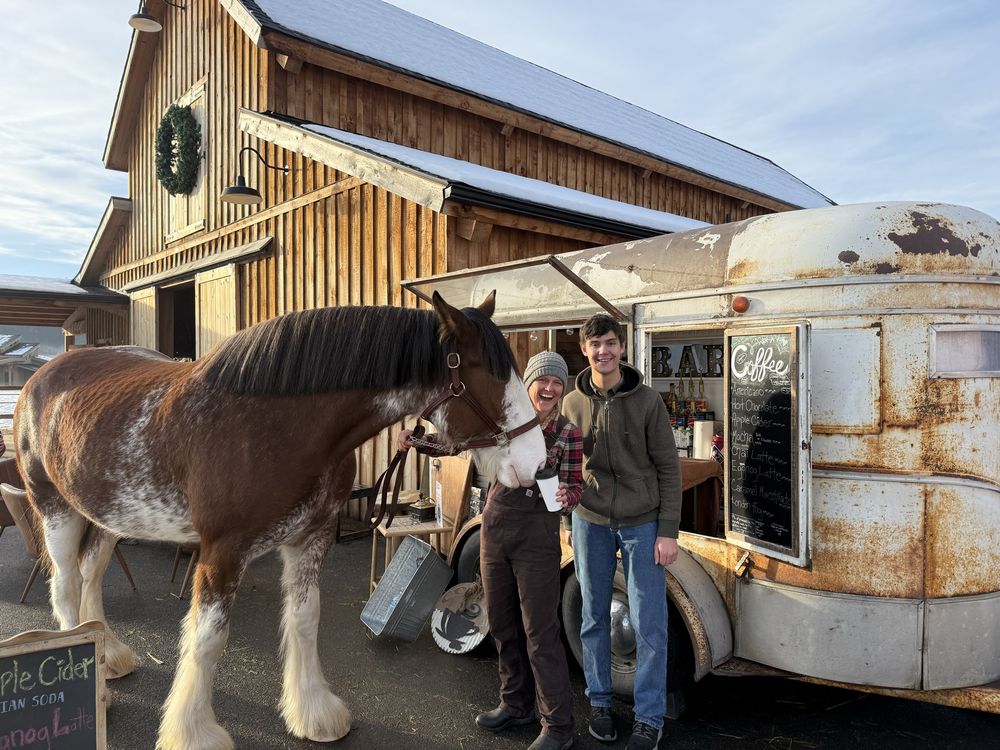
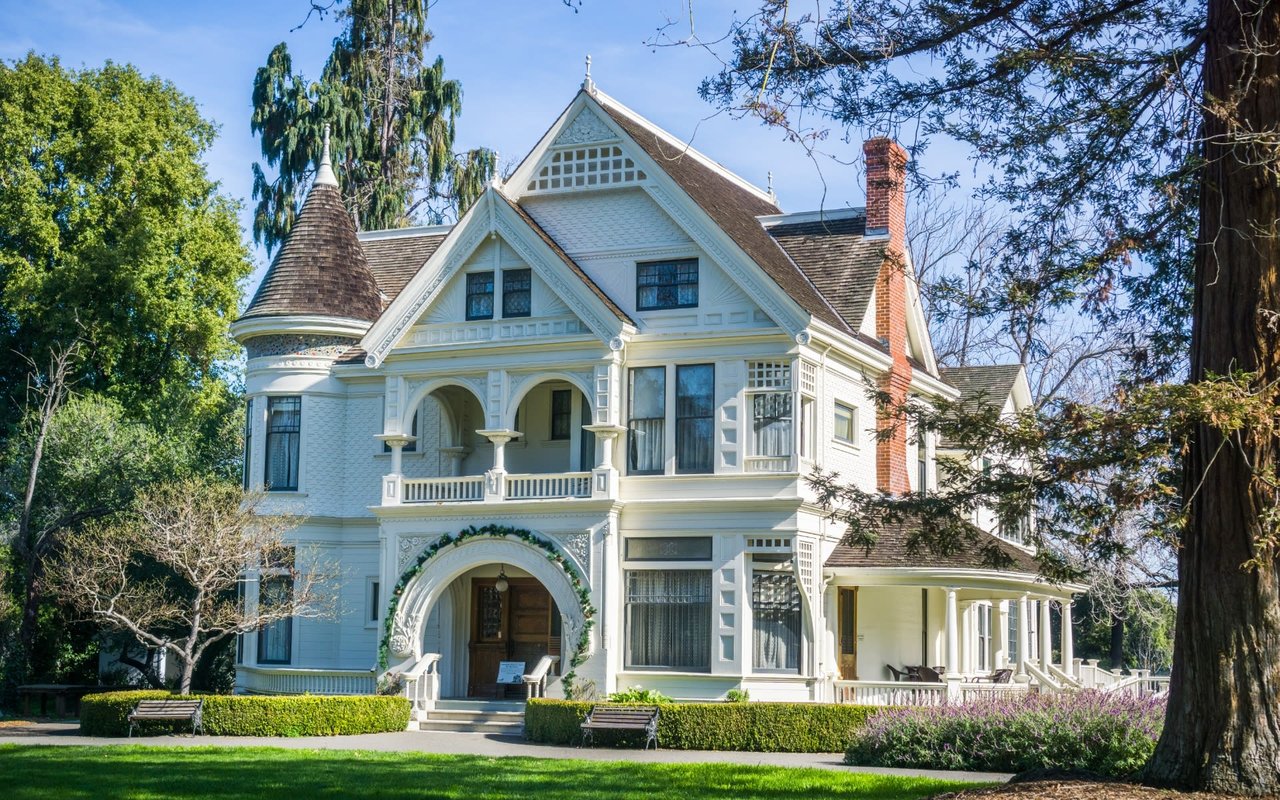
Eureka, Montana, nestled in the embrace of the Rocky Mountains, beckons with a unique blend of historic charm and breathtaking natural beauty. This quaint town boasts a rich past, evident in its restored Victorian-era buildings lining established neighborhoods. Mature trees and a strong sense of community foster a peaceful and welcoming environment. Outdoor enthusiasts will delight in the proximity to hiking trails, fishing opportunities, and endless opportunities to explore the surrounding mountain splendor. Eureka's historic downtown district pulsates with a unique character, offering art galleries, local shops, and restaurants serving up regional flavors. While offering a slower pace of life, Eureka provides convenient access to amenities in nearby towns. Housing options range from cozy bungalows and meticulously restored Victorian homes to larger properties on the outskirts, catering to diverse needs and budgets. Eureka attracts retirees seeking a tranquil escape, remote workers yearning for a scenic backdrop, and anyone captivated by the allure of small-town Montana living.
Local Lifestyle
Greater Eureka is surrounded by timber-covered mountains, the 90-mile-long Lake Koocanusa reservoir, and the vast Kootenai National Forest, offering a lifestyle built around genuine self-sufficiency and wide-open space rather than resort infrastructure. Set in the Tobacco Valley in the far northwest corner of Montana, minutes from the Canadian border, Eureka maintains a strong small-town identity and an active community calendar — farmers markets, local festivals, and the kind of neighborly connection that defines Montana’s most authentic rural towns, even as summer brings a steady wave of boaters and anglers to Lake Koocanusa.
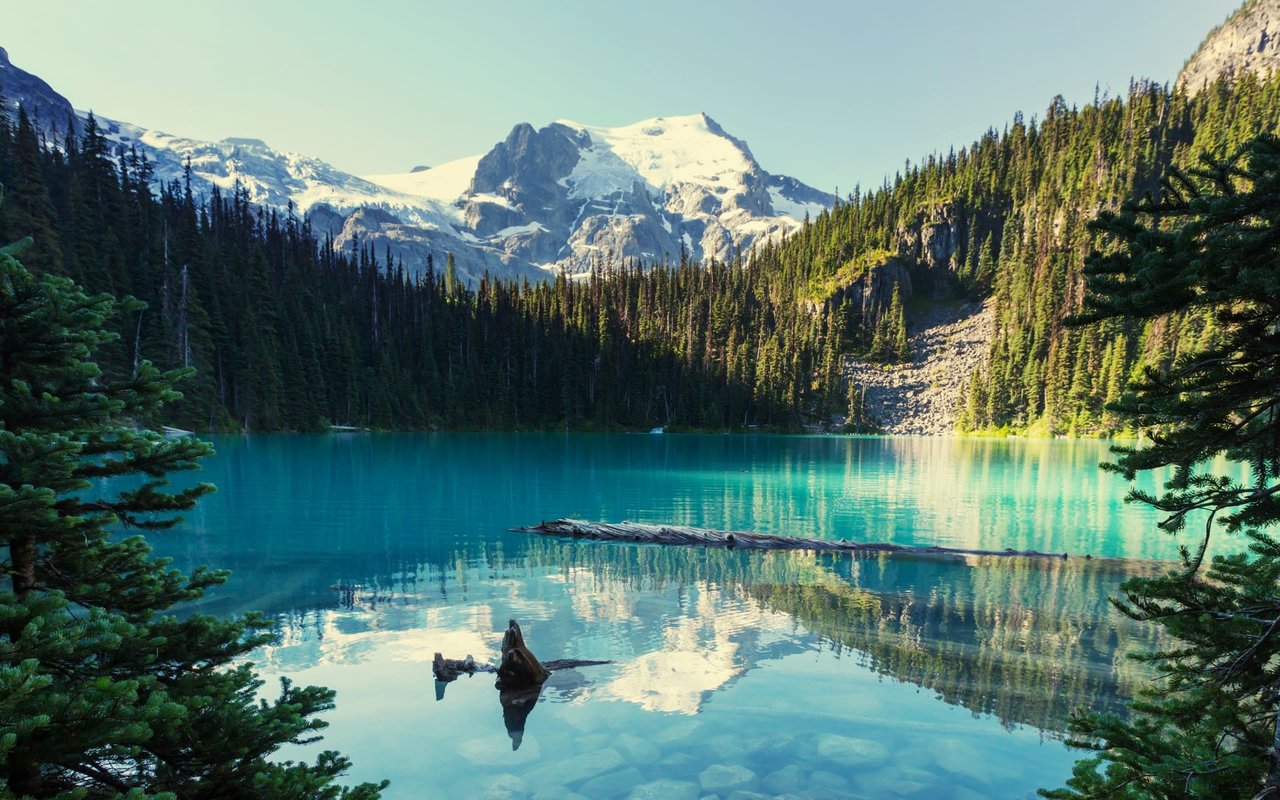
Lake Koocanusa anchors summer life with 90 miles of clear reservoir water for boating, fishing, and swimming, while the surrounding Kootenai National Forest and nearby Kootenai Falls drive a different rhythm each winter — hunting, snowmobiling, and cross-country skiing across some of the most remote and least-crowded terrain in Montana. With Glacier National Park roughly 90 minutes southeast and Whitefish Mountain Resort about an hour away, Greater Eureka residents trade resort-town proximity for genuine privacy, acreage, and a dramatically lower cost of entry.
Why Live in Greater Eureka, MT
Greater Eureka occupies a genuinely distinct position among Montana’s mountain communities: it delivers real lake access, national forest adjacency, and small-town commerce without the resort pricing or crowds that define Whitefish and the broader Flathead Valley. Eureka itself serves as the commercial hub of the Tobacco Valley, with small-town shopping, dining, and schools, while nearby Rexford — relocated to higher ground when the Libby Dam’s reservoir was built — gives residents direct access to Lake Koocanusa’s clear water right from their own community.
Eureka is connected by U.S. Highway 93, which runs the length of the Tobacco Valley and links the town to Whitefish and Kalispell to the south and the Canadian border crossing just minutes to the north. For buyers who want genuine acreage, hunting and fishing access, and the independence of rural Montana living — without sacrificing basic small-town infrastructure — Greater Eureka remains one of the most compelling value propositions in the entire Rocky Mountain West.
Who Lives Here
Outdoor Enthusiasts and Self-Sufficiency Seekers
Greater Eureka attracts residents who build daily life around boating and fishing on Lake Koocanusa, hunting and hiking throughout the Kootenai National Forest, and the kind of rural, self-sufficient lifestyle — hobby farms, timber parcels, small ranches — that has become increasingly difficult to find in Montana’s more developed mountain towns.
Retirees and Second-Home Buyers
Eureka’s affordability, genuine small-town pace, and lake and forest access make it an appealing retirement and second-home destination for buyers who want a real four-season Montana lifestyle without resort-market pricing.
Value-Focused Relocators from Whitefish and Flathead Valley
With median home prices running a fraction of Whitefish’s, Greater Eureka draws buyers who want comparable access to lakes, mountains, and national forest recreation at meaningfully lower cost, often willing to trade resort infrastructure for more land and privacy.
Land, Acreage, and Timber Buyers
A significant share of Greater Eureka’s market consists of raw land, timber parcels, and acreage ranging from a few acres to substantial tracts, drawing buyers specifically seeking land investment, hunting property, or a custom-build opportunity rather than existing inventory.
Families and Working Locals
Eureka’s own schools and small commercial core support a stable year-round population of working families, with housing costs running well below the Montana and national averages even as recent price appreciation has picked up.
Types of Homes Available
Lake Koocanusa Properties
Homes and lots along the Koocanusa Estates corridor and elsewhere near the reservoir offer direct or near-direct lake access, ranging from modest cabins to large custom estates; recent sales in this segment have ranged from the $700,000s to over $1.28 million depending on size, finish, and water proximity.
In-Town Eureka Homes
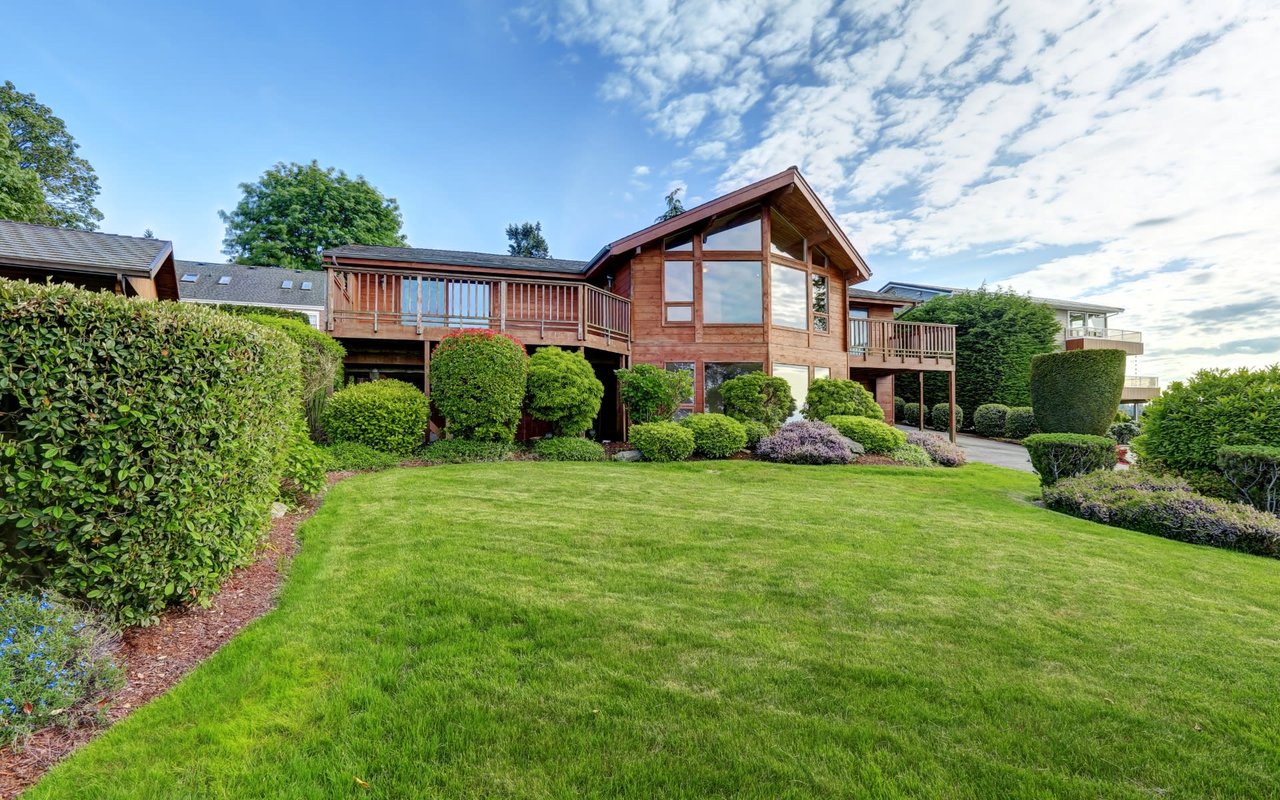
Traditional single-family homes within Eureka itself provide the area’s most accessible price points and proximity to local shopping, dining, and schools, with listings recently ranging from around $190,000 to the high $300,000s for modest homes.
Custom Log and Mountain Estates
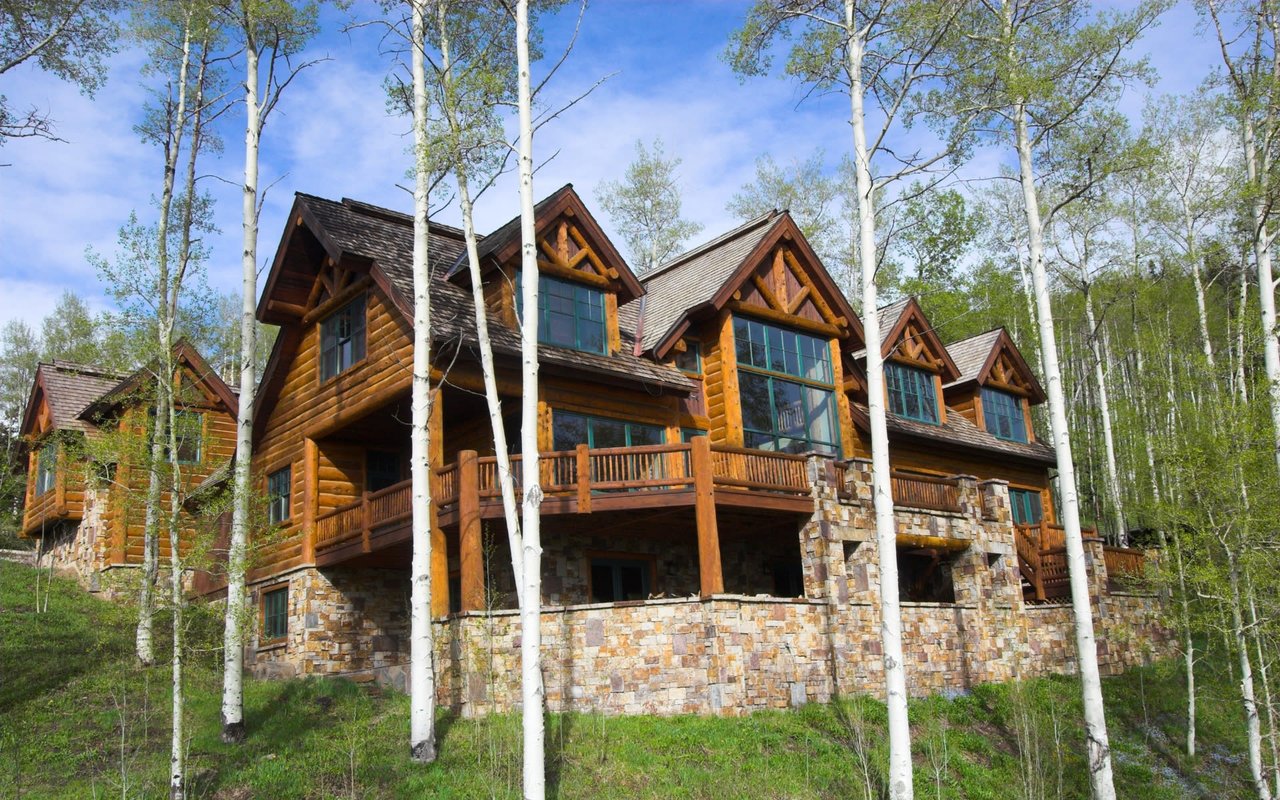
Larger custom-built log and mountain-style homes on acreage throughout the Tobacco Valley represent the top tier of the local market, with recent listings reaching $1.5 million to $2.4 million for the area’s most substantial properties.
Rural Acreage, Timber, and Hunting Land
A significant share of Greater Eureka’s inventory consists of undeveloped land — from small residential lots to multi-acre timber and hunting parcels — appealing to buyers who want to build custom or hold land as a long-term investment, with pricing commonly running from roughly $40,000 to $90,000-plus per acre depending on access, utilities, and location.
Rexford Lakeside Properties
Rexford’s small lakeside community offers direct Lake Koocanusa access in a quieter, more intimate setting than Eureka’s town core, appealing to buyers who prioritize water access above all else.
Buying and Renting Tips
For Buyers
Greater Eureka offers some of the strongest value in Northwest Montana for buyers seeking lake and national forest access — understanding the price gap relative to Whitefish and the broader Flathead Valley is the most important early step in evaluating whether this market fits your budget and priorities.
For raw land and acreage purchases, confirm well, septic (DEQ approval), and road access status before making an offer — many rural Tobacco Valley parcels require these to be installed or verified as part of due diligence.
Lake Koocanusa and Rexford-area properties can see meaningfully longer days on market (often 100-plus days) given the area’s lower transaction volume — buyers should expect a slower, less competitive pace than resort-adjacent Montana markets, but should still move decisively on well-priced, turnkey properties.
Confirm proximity to the Canadian border and any relevant land-use or access considerations for properties near the border corridor.
For Renters
- Greater Eureka’s rental market is limited given its small population and high owner-occupancy rate; long-term rentals are modest in both supply and cost relative to Montana’s resort towns.
- Summer boating season on Lake Koocanusa and fall hunting season both drive seasonal demand for short-term lodging, though the area’s vacation rental market remains considerably smaller and less developed than Whitefish’s.
- Renters seeking land and privacy rather than town proximity may find more options among the area’s rural acreage rentals, though these are less common and often found through local, word-of-mouth networks rather than public listings.
Real Estate in Greater Eureka, MT
Greater Eureka, Montana, offers a rare combination of small-town charm, natural beauty, and outdoor recreation opportunities, making it an appealing choice for families, retirees, and lifestyle-focused buyers. Nestled in the scenic northwest corner of Montana near the Kootenai National Forest and the Tobacco Valley, Greater Eureka is known for its expansive landscapes, mountain views, and access to lakes, rivers, and trails. The real estate market here includes a mix of single-family homes, cabins, ranches, and acreage properties, catering to buyers seeking privacy, space, and a strong connection to the outdoors.
The area’s rural character and low-density neighborhoods provide a peaceful lifestyle while still being close to essential amenities in Eureka and surrounding communities. From cozy historic homes to modern log-style residences and custom-built retreats, Greater Eureka appeals to those seeking both permanent residences and seasonal escapes. Its proximity to Flathead Lake, Glacier National Park, and cross-border recreational opportunities adds to the long-term desirability of the region.
Why Choose Greater Eureka, MT
Greater Eureka offers an unmatched blend of natural beauty, outdoor recreation, and small-town community spirit. Residents enjoy fishing and boating on Lake Koocanusa, hiking and skiing in the nearby mountains, and year-round wildlife viewing. The area’s low population density, clear air, and scenic vistas make it ideal for buyers looking for tranquility and privacy without sacrificing access to essential services. With strong appeal for both primary residences and vacation properties, Greater Eureka remains a compelling choice for those seeking authentic Montana living.
Frequently Asked Questions about Eureka Real Estate:
1. What is the current state of the Eureka housing market?
Data suggests Eureka's real estate market might be experiencing a period of adjustment. Historically, prices have enjoyed steady growth, but information for June 2024 indicates a possible plateau or even a slight decrease in median sale prices compared to the previous year. Inventory levels might also be on the rise, offering more options for prospective buyers. The market remains competitive for well-maintained historic properties in the desirable downtown area and properties with stunning mountain views or bordering public lands.
2. What types of properties are available in Eureka?
Eureka offers a distinct housing landscape that celebrates its rich history. Restored Victorian-era homes and cozy bungalows dominate the established neighborhoods, offering a unique blend of character and charm. Opportunities exist for larger properties, including ranches or cabins, on the outskirts of town, ideal for those seeking more space and privacy. Condominiums or townhomes are not typically found in Eureka, as the focus leans towards single-family dwellings.
3. What are the advantages of living in Eureka?
Beyond the undeniable allure of a peaceful small-town atmosphere steeped in history and surrounded by breathtaking mountain scenery, Eureka offers a plethora of advantages. The strong sense of community fosters a welcoming environment where residents connect and support one another. Outdoor enthusiasts have endless opportunities for exploration at their doorstep. The charming downtown district provides a touch of vibrancy with local shops, restaurants, and cultural offerings. The slower pace of life allows for relaxation and a deeper connection with nature.
4. What are some things to consider before buying in Eureka?
While offering a lower cost of living compared to some urban areas, Eureka's amenities and services are limited. Planning and stocking up on groceries might be necessary, especially if working remotely or during winter months. Public transportation options are scarce, and car ownership is essential for navigating the area and exploring nearby towns. Winter weather conditions can be harsh and require proper preparation.
5. Is Eureka a good place to retire?
Eureka offers a safe and secure environment for retirees seeking a peaceful escape with a strong sense of community. The stunning mountain scenery, slower pace of life, and access to outdoor activities create a positive backdrop for retirement. However, the limited availability of certain amenities and reliance on car ownership might be considerations for some retirees. Ultimately, the suitability depends on individual needs and lifestyle preferences.